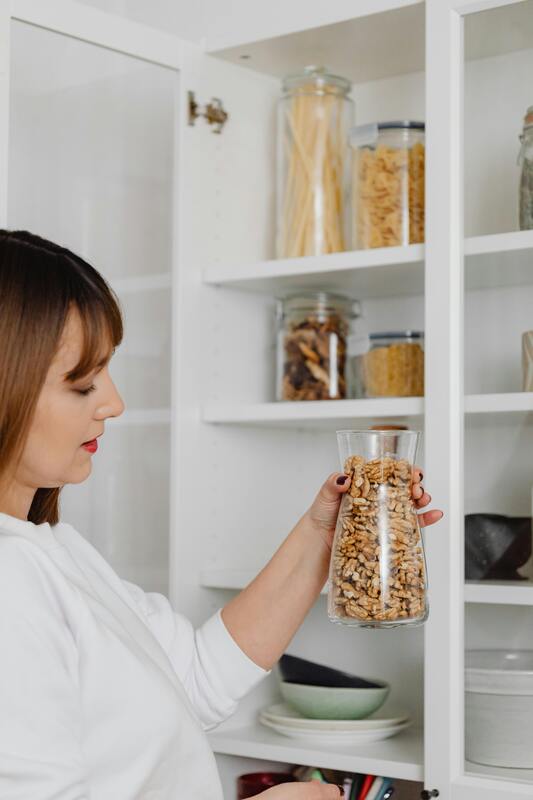


🧂 FOOD CONTAINERS: The Full Rundown
🏷️ 1. Kinds of Food Containers
Type What it is
Airtight Containers Keeps stuff fresh by locking out air and wetness.
Stackable Containers Made to fit on top of each other to save room.
Meal Prep Containers Already sized for meals, sometimes with dividers.
Microwave-Safe Containers Okay to reheat food in the microwave.
Freezer-Safe Containers Won't break in the cold freezer.
Leakproof Containers Lids that seal tight, so nothing spills.
Dry Food Canisters For stuff like flour, sugar, pasta, and cereal.
Bulk Storage Bins Big boxes for storing lots of rice, flour, etc.
On-the-Go Containers For taking lunch, smoothies, or snacks with you.
🧱 2. What Food Containers Are Made Of
Material Good Stuff Not-So-Good Stuff What They're Usually For
Plastic (BPA-Free) Light, cheap, lasts long Can get stained or smelly, wears out over time Everyday use, lunchboxes
Glass Safe, can use in microwave/oven, doesn't stain or smell Heavy, can break, costs more Meal prep, fridge
Stainless Steel Lasts, doesn't stain or smell Can't use in microwave, can cost a bit Dry stuff, lunch
Silicone Bendy, folds up, can take the heat Might stain, not very stiff Baking, snacks on the go
Ceramic/Porcelain Looks nice, can use in microwave/oven Heavy, breaks easy, pricey Goes from table to fridge
Bamboo/Wood Lid (Hybrid) Good for the planet, looks good Lid might not seal tight, can't wash in dishwasher Dry goods, green kitchens
🧊 3. Where You're Storing It
Where What You Need
Refrigerator Airtight, stackable, see-through if you can
Freezer Freezer-safe, thicker stuff, leave room for food to get bigger as it freezes
Pantry See-through or labeled, keeps bugs out, seals tight
Microwave Microwave-safe, lids with holes to let steam out
Lunchbox Doesn't leak, small, light, tough
🧼 4. How to Wash Them
✅ Check if it's okay to put in the dishwasher first.
🧽 Wash the rubber seals and lids on their own to get rid of old food.
🧴 Don't use rough stuff or cleaners that can scratch plastic or glass.
🌞 Dry everything well, so mold doesn't grow in the lids and corners.
🛑 Don't microwave plastic unless it says it's okay.
🧠 5. Smart Ways to Store Food
Label with dates so you don't forget what's in there.
Use the first in, first out trick to not waste food.
Store dry stuff in clear boxes, so you can see what it is.
Don't fill containers too full in the freezer, or the lid might pop off.
Keep boxes of similar sizes to stack them easy.
⚖️ 6. How Big Should the Container Be?
Size Good For
Small (50–250ml) Dips, spices, baby food
Medium (250–750ml) Single servings, fruits, cooked veggies
Large (1–2L) Prepping meals, salads, stews
Extra-Large (3L+) Storing lots of flour, rice, leftovers
🧳 7. Cool Things to Look For
Lines on the side that show how much is inside.
Lids with holes for microwaving.
Folds down to save room.
Shapes that stack tall.
Handles to carry easy.
Lids that match the container with colors.
❌ 8. Things to Avoid
Lids that are broke or bent (they won't seal).
Containers that smell funny.
Plastic that's faded or looks worn (it might leak bad stuff into your food).
Putting containers that aren't freezer-safe in the freezer.
🪄 9. Extra Tips
Use labels you can write on to say what's inside.
Get square or rectangle containers (they fit better than round ones).
Use glass jars again for storing dry food in a green and sealed way.
Mix up lids and boxes sometimes, so you don't lose them.
🏷️ 1. Kinds of Food Containers
Type What it is
Airtight Containers Keeps stuff fresh by locking out air and wetness.
Stackable Containers Made to fit on top of each other to save room.
Meal Prep Containers Already sized for meals, sometimes with dividers.
Microwave-Safe Containers Okay to reheat food in the microwave.
Freezer-Safe Containers Won't break in the cold freezer.
Leakproof Containers Lids that seal tight, so nothing spills.
Dry Food Canisters For stuff like flour, sugar, pasta, and cereal.
Bulk Storage Bins Big boxes for storing lots of rice, flour, etc.
On-the-Go Containers For taking lunch, smoothies, or snacks with you.
🧱 2. What Food Containers Are Made Of
Material Good Stuff Not-So-Good Stuff What They're Usually For
Plastic (BPA-Free) Light, cheap, lasts long Can get stained or smelly, wears out over time Everyday use, lunchboxes
Glass Safe, can use in microwave/oven, doesn't stain or smell Heavy, can break, costs more Meal prep, fridge
Stainless Steel Lasts, doesn't stain or smell Can't use in microwave, can cost a bit Dry stuff, lunch
Silicone Bendy, folds up, can take the heat Might stain, not very stiff Baking, snacks on the go
Ceramic/Porcelain Looks nice, can use in microwave/oven Heavy, breaks easy, pricey Goes from table to fridge
Bamboo/Wood Lid (Hybrid) Good for the planet, looks good Lid might not seal tight, can't wash in dishwasher Dry goods, green kitchens
🧊 3. Where You're Storing It
Where What You Need
Refrigerator Airtight, stackable, see-through if you can
Freezer Freezer-safe, thicker stuff, leave room for food to get bigger as it freezes
Pantry See-through or labeled, keeps bugs out, seals tight
Microwave Microwave-safe, lids with holes to let steam out
Lunchbox Doesn't leak, small, light, tough
🧼 4. How to Wash Them
✅ Check if it's okay to put in the dishwasher first.
🧽 Wash the rubber seals and lids on their own to get rid of old food.
🧴 Don't use rough stuff or cleaners that can scratch plastic or glass.
🌞 Dry everything well, so mold doesn't grow in the lids and corners.
🛑 Don't microwave plastic unless it says it's okay.
🧠 5. Smart Ways to Store Food
Label with dates so you don't forget what's in there.
Use the first in, first out trick to not waste food.
Store dry stuff in clear boxes, so you can see what it is.
Don't fill containers too full in the freezer, or the lid might pop off.
Keep boxes of similar sizes to stack them easy.
⚖️ 6. How Big Should the Container Be?
Size Good For
Small (50–250ml) Dips, spices, baby food
Medium (250–750ml) Single servings, fruits, cooked veggies
Large (1–2L) Prepping meals, salads, stews
Extra-Large (3L+) Storing lots of flour, rice, leftovers
🧳 7. Cool Things to Look For
Lines on the side that show how much is inside.
Lids with holes for microwaving.
Folds down to save room.
Shapes that stack tall.
Handles to carry easy.
Lids that match the container with colors.
❌ 8. Things to Avoid
Lids that are broke or bent (they won't seal).
Containers that smell funny.
Plastic that's faded or looks worn (it might leak bad stuff into your food).
Putting containers that aren't freezer-safe in the freezer.
🪄 9. Extra Tips
Use labels you can write on to say what's inside.
Get square or rectangle containers (they fit better than round ones).
Use glass jars again for storing dry food in a green and sealed way.
Mix up lids and boxes sometimes, so you don't lose them.